Istanbul, a vibrant city where East meets West, is known for its rich history and stunning landscapes, but also for its challenging traffic. While many guidebooks advise against driving due to the chaotic streets and aggressive local drivers, having a car offers valuable freedom for those looking to explore beyond the city, such as the beautiful Black Sea coastline and the historic city of Bursa. This guide provides essential tips for navigating Istanbul's road network safely, but if you plan to stay within tourist districts like Sultanahmet, Beyoğlu, and Kadıköy, it’s often best to rely on public transport, taxis, and ferries for a more relaxing experience.
To navigate Istanbul's roads successfully, it's essential to understand the strict legal requirements for drivers. Seat belts are mandatory for all passengers, and mobile phone use is restricted to hands-free devices only—violating this rule can lead to severe penalties. Turkey enforces a low blood alcohol limit of 0.05 per mille, essentially a zero-tolerance policy, especially for commercial drivers. Familiarising yourself with these laws can help you avoid hefty fines and ensure safety.
Speed limits can feel theoretical amidst Istanbul's heavy traffic, yet it's crucial to know the designated maximums. In urban areas, the general limit is 50 kph (31 mph), but this can drop significantly near pedestrian crossings and schools. National highways usually allow speeds of 90 kph, while major motorways can reach 120 kph. Traffic signals can also be tricky, often placed high above intersections, making them difficult to see if you stop too far forward. Always stop behind the designated line to maintain visibility of the signals and avoid confusion.
Driving in Istanbul requires a highly defensive mindset due to the fast and assertive local driving method, which often prioritises personal necessity over formal traffic rules. Drivers frequently change lanes without signalling, tailgate aggressively at high speeds, and crowd roads by converting three-lane routes into four or five. It's essential to maintain a generous following distance, always be aware of your surroundings, and assume that nearby vehicles may change lanes unexpectedly. A momentary distraction can easily lead to minor accidents.
One of the most noticeable cultural differences for foreign drivers is the frequent use of the car horn, or korna. Unlike in many countries, where honking is reserved for emergencies or extreme frustration, in Istanbul, it's a common communication tool used for gentle warnings or reminders. While you don’t need to adopt this honking culture, understanding its context can alleviate stress. Additionally, using turn signals consistently can greatly enhance predictability in this chaotic environment, helping to reduce potential conflicts and improve overall safety on the road.
Navigating Istanbul's intricate urban landscape can be tricky, even for locals, making reliable GPS navigation essential for tourists. It's advisable to download offline maps using apps, as connectivity may be unreliable in older districts or during critical moments. While GPS is helpful, always stay alert to physical road signs. Major motorways are indicated with green signs, local roads with blue signs, and historic sites with brown signs. If your app suggests taking a narrow alley, trust your instincts and follow the official signs, as the app's route may lead to frustrating detours.
Be particularly cautious when driving in historic neighbourhoods like Sultanahmet, Fener, Balat, and Galata. These areas were designed for foot traffic and horse-drawn carriages, not modern vehicles, and are filled with sudden lane restrictions and unpredictable pedestrian traffic. Attempting to navigate these winding streets can lead to dead ends with no room to turn around. Instead, park outside and continue on foot or by tram to explore the rich history without the hassle of driving.

Istanbul's major roads, particularly the bridges over the Bosphorus Strait, use automated electronic toll collection systems: HGS (Fast Pass System) and OGS (Automatic Pass System). The old cash lanes have been almost eliminated, meaning that driving onto a toll road without the necessary transponder or sticker incurs a violation. When renting a car, you must confirm that the vehicle has an active toll device and check its location, typically on the windscreen.
The responsibility for maintaining sufficient credit on the toll tag often falls on the user, even for rented cars. It's advisable to inform the rental company of your intention to use toll roads and ensure that the initial deposit covers multiple crossings. Failure to pay tolls can lead to significant penalties, with fines escalating if left unpaid for over fifteen days. While the rental company will charge these fines later, checking and topping up the credit in advance can help prevent complications when you return the vehicle.
Be meticulous about carrying essential documents when driving, including your original driver's license, passport, vehicle rental agreement, and mandatory insurance certificate. Store them in a secure, accessible folder in the car, avoiding visibility to deter theft. While many foreign licenses are accepted in Turkey, obtaining an International Driving Permit (IDP) is highly recommended as it translates your license into multiple languages, aiding communication with traffic police.
If stopped by the police, remain calm and polite, keeping inside your vehicle unless instructed otherwise. When asked, provide your documents. If issued a fine, note that Turkish police often allow on-the-spot payments, typically offering discounts for immediate cash payments.
Istanbul's most notorious congestion occurs due to the daily commuter flows between the European and Asian continents. The worst traffic happens on weekdays during two main periods: Mornings, from 7:00 AM to 10:00 AM, when the bulk of commuters travel Europe-bound (from Asia to Europe), and Evenings, from 5:00 PM to 8:00 PM, when the flow reverses and becomes heavy Asia-bound (from Europe to Asia). Fridays are typically the worst day overall for congestion, as people leave the city for the weekend. Plan any Bosphorus crossing or city exit for the mid-day lull, from 10:30 AM to 4:30 PM or after 8:30 PM.
The primary Bosphorus bridges—the 15 July Martyrs Bridge and the Fatih Sultan Mehmet Bridge—are the main commuter choke points. While both use electronic tolling and reversible lanes to optimise flow, they remain heavily congested during peak times. Before committing to a crossing, check live traffic conditions. For destinations north or outside the immediate metropolitan area, the Yavuz Sultan Selim Bridge often provides a much quicker, albeit longer, route that avoids the central commuter grind.
Finding free or convenient on-street parking in Istanbul's tourist districts—like Sultanahmet, Taksim, Beşiktaş, or Eminönü—is nearly impossible. The few available spaces are often reserved or guarded by unofficial attendants, making searching for a spot a quick route to congestion, tickets, or towing. The best option is to utilise officially designated, paid surface lots or multi-storey garages known as Otopark, which are well-marked and provide secure, affordable short-term parking.
In Istanbul's Otoparks, it’s common practice to leave your car keys with the attendant to allow for efficient space management, especially in smaller lots where cars are stacked closely. While this may seem unsettling to visitors, it’s standard procedure. Always ensure you receive a receipt when leaving your keys, and remember to take any valuables out of your car beforehand.
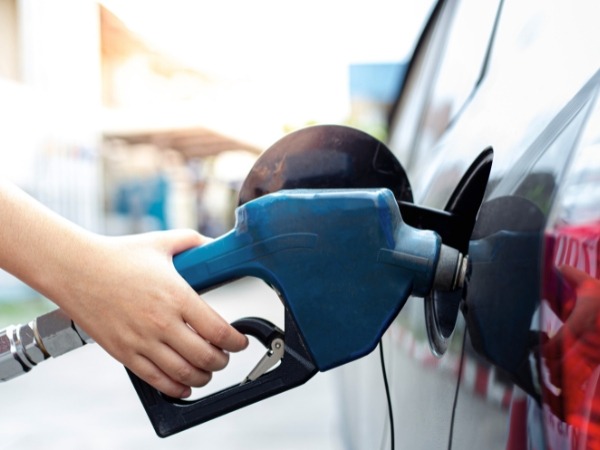
When visiting a service station, make sure you know the Turkish terminology for the fuel your rental car requires. Petrol is known as benzin, and diesel is referred to as motorin or sometimes dizel. Unlike in many other European countries, most service stations in Turkey are full-service. An attendant will approach your vehicle, take your request for the type and amount of fuel, pump it for you, and often even clean your windscreen. Tipping is not mandatory but is sometimes appreciated for extra service.
Service stations are modern, clean, and plentiful, especially on the major motorways surrounding Istanbul and on the routes to popular day trip destinations. Almost all stations accept major credit and debit cards, but it is always wise to keep a reserve of Turkish Lira cash, particularly when travelling through more remote or rural areas where signal issues might affect card machines. Always double-check that the pump is zeroed before the attendant begins filling your vehicle, and confirm the final price before making payment.
Driving in Istanbul is undoubtedly a trial by fire, demanding meticulous preparation regarding documentation, tolls, and a necessary adjustment to a more defensive, assertive driving style. The experience requires patience, but the rewards are significant. The initial hassle of navigating the congestion is a worthwhile trade-off for the incomparable freedom to explore Turkey's beautiful coastline, discover hidden historical sites, and visit towns and villages that are inaccessible via public transport.
Don't let the city's traffic reputation deter you from experiencing the incredible landscapes beyond its limits. Book your rental car on Final Rentals today and get ready to discover the breathtaking areas around Istanbul on your own terms.