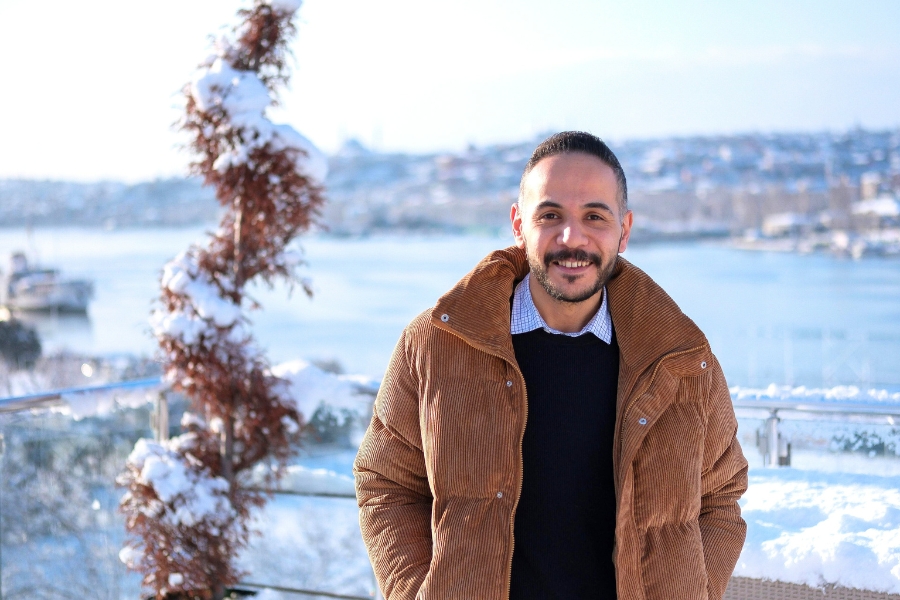
The image of Turkey most frequently sold to the world is one of scorching Mediterranean sun, turquoise waters, and the shimmering heat of an Anatolian summer. While there is an undeniable allure to that version of the country, it often comes with hidden costs: stifling crowds, long queues for historical monuments, and prices that skyrocket alongside the thermometer.
For those willing to trade their swimwear for a stylish trench coat, the low season between November and March offers a vastly different and arguably more profound experience. During these months, the frenetic pace of the coastal resorts slows to a gentle hum, the misty Bosphorus takes on a cinematic quality, and the ancient stones of Ephesus are finally allowed to rest in the cool air. Choosing to visit during the low season is not merely a compromise on weather; it is an invitation to witness the authentic soul of the country.
One of the most immediate benefits of an off-season vacation in Turkey is the dramatic decrease in prices. For budget-conscious travellers or those looking to indulge in high-end luxury for a fraction of the cost, the winter months are a revelation. Five-star hotels in the heart of Istanbul’s Sultanahmet district or the luxury cave suites of Cappadocia, which command premium rates in July, often drop their prices by half. This financial flexibility allows visitors to upgrade their experience, perhaps staying in a renovated Ottoman palace that would otherwise be out of reach.
The savings extend well beyond accommodation. Major airlines frequently offer significant discounts on both international arrivals and domestic hops between cities. Even the act of shopping becomes a more relaxed and lucrative endeavour. In the modern shopping malls of Istanbul, the winter sales provide access to international and local brands at deep discounts. Meanwhile, in the traditional markets, the lack of tourist footfall means that merchants are often more willing to engage in the art of the haggle, offering fair prices without the exhausting back-and-forth common during the summer rush.
There is a specific kind of melancholy in visiting a world-famous monument only to view it through the forest of other people’s selfie sticks. In the low season, this problem evaporates. Iconic landmarks such as the Hagia Sophia, the Blue Mosque, and the Topkapi Palace reclaim their atmosphere of spiritual and historical gravity. Without the two-hour queues and the constant chatter of tour groups, one can truly appreciate the intricate tile work and the vast, echoing domes in the silence they deserve.
This sense of space is even more pronounced at Turkey’s sprawling archaeological sites. Walking through the marble streets of Ephesus in January is a completely different experience from doing so in August. In the summer, the sun reflects off the white stone with such intensity that it can be difficult to focus on the history. In the cool, crisp air of winter, however, you can wander for hours through the Library of Celsus or the Great Theatre without the threat of heatstroke. For photographers, the winter light is a gift. The harsh midday sun of summer is replaced by long, soft shadows and a golden hue that lasts throughout the afternoon, providing the perfect conditions for capturing the rugged beauty of the ruins.
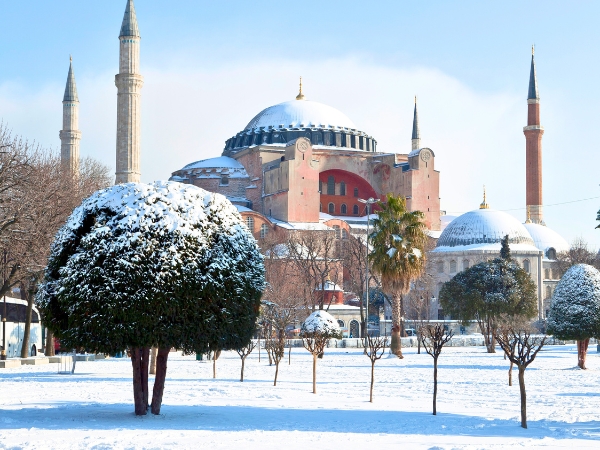
Turkey possesses a geographical diversity that many visitors fail to appreciate until they see the landscape transformed by snow.
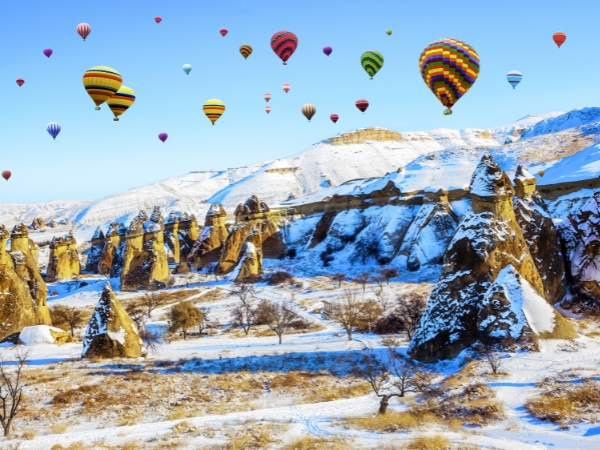
Cappadocia is perhaps the most striking example of this transformation. The surreal volcanic rock formations, known as fairy chimneys, take on a magical, ethereal quality when draped in a layer of white powder. While some balloon flights may be grounded by wind, the flights that do take off over a snow-covered Göreme provide views that are arguably more spectacular than any summer sunrise.
Beyond the central plateau, Turkey reveals itself as a premier destination for winter sports and relaxation. The country boasts world-class ski resorts such as Uludağ in Bursa and Erciyes in Kayseri, where the infrastructure is excellent, and the slopes are less crowded than their Alpine counterparts. For those who prefer warmth, winter is the ideal time to visit the thermal springs of Pamukkale or the spas of Afyonkarahisar. There is something deeply restorative about soaking in mineral-rich, steaming waters while the air around you is brisk and cold.
Furthermore, the winter season allows for the famous Eastern Express train journey. This route across the Anatolian plateau to the city of Kars has become a bucket-list item for those wishing to see the dramatic, frozen landscapes of the East from the comfort of a heated carriage.
The true magic of the low season lies in the shift in human interaction. In the height of summer, the volume of visitors can make hospitality feel transactional. In the winter, the pace of life slows down, and the famous Turkish hospitality, or misafirperverlik, becomes more visible. Shopkeepers and artisans have the time to sit and share a glass of tea, offering insights into their crafts and local history that they simply could not share during the busy months. This is the era of slow travel, where the goal is connection rather than just ticking boxes on a list.
The culinary landscape also shifts to reflect the season, offering a comforting array of flavours. Street corners in Istanbul come alive with the scent of roasted chestnuts and the sight of vendors pouring Salep, a traditional winter drink made from orchid tubers and topped with cinnamon. This creamy, warming beverage is the perfect companion for a ferry ride across the Bosphorus.
Winter is also the peak season for pomegranates and citrus, as well as hearty stews and fresh fish pulled from the cold waters of the Black Sea and the Marmara. Engaging with these seasonal traditions, such as spending a rainy afternoon in a historic hammam, provides a sense of belonging that is rarely felt by the summer tourist.
Turkey in the low season is a revelation for the senses and a reprieve for the wallet. It is a time when the glamour of the coast is replaced by the grandeur of history and the warmth of a shared fire. By choosing to visit during these quiet months, you are not missing out on Turkey; you are seeing it without its mask. Whether you are seeking the snowy peaks of the East or the quiet marble halls of the West, the off-season provides a backdrop of unparalleled beauty and tranquillity.
To truly unlock the magic of this landscape, you should consider taking the wheel of your own adventure. While the train networks and domestic flights are excellent, the true spirit of Turkey is found in the small villages and hidden vistas that lie between the major cities. Renting a car in the off-season is both remarkably affordable and logistically simple. With rental prices dropping significantly and the heavy summer traffic a distant memory, the open road becomes your greatest asset.
Having your own vehicle allows you to detour to a remote mountain lodge, stop at a roadside bakery for fresh bread, or reach the ruins of a hilltop castle just as the winter sun begins to set. Do not just observe Turkey from a bus window; engage with its winding coastal roads and vast highland plains. Secure a rental car from Final Rentals and let the journey through this winter wonderland be entirely your own.