Istanbul, a city renowned for its breathtaking history and chaotic, exhilarating energy, transforms into a different kind of metropolis when winter descends. While a blanket of snow offers stunning views of the Bosphorus and the ancient domes, it also introduces significant challenges for drivers. The combination of steep hills, narrow streets, dense traffic, and inconsistent road clearing can quickly turn a routine commute into a hazardous journey.
Mastering the snow-covered roads of Istanbul requires more than just luck; it demands rigorous preparation, an understanding of local regulations, and the strict adoption of specific, cautious driving techniques. This comprehensive guide details everything an Istanbul driver needs to know to navigate the city safely and confidently during the winter months.
Before even contemplating turning the ignition on a cold morning, a thorough vehicle preparation is non-negotiable. This phase ensures the car is mechanically sound for the harsh environment and, crucially, legally compliant with Turkish regulations, thus avoiding fines and insurance complications.
The tyre is the only part of the vehicle in contact with the road surface, making its condition the most important factor for winter safety. In Turkey, winter tyre regulations are specific, particularly for commercial drivers. Winter tyres are legally mandatory for all commercial vehicles, including taxis, buses, and trucks, operating between the 1st of December and the 1st of April. These dates may be extended by the Istanbul Governor's office depending on weather severity.
While private vehicles and rental cars are not always legally required to fit them, using dedicated winter tyres, marked with the Three Peak Mountain Snowflake symbol or 'M+S', is strongly recommended for all Istanbul drivers. Drivers should check that their tyre tread depth is well above the legal minimum, with a minimum of 4mm widely recommended for effective grip in snow and slush.
Beyond the tyres themselves, drivers should ensure they carry snow chains or snow socks, especially if they stay on or frequently travel over steep side roads. Chains should be fitted to the driving wheels when the road is covered by snow or ice, and their use requires speed to be severely limited, usually to under 30 kilometres per hour, to prevent damage to the tyres or the vehicle chassis.
The vehicle’s fluids and operating systems must be checked to handle freezing temperatures. It is vital to confirm that the antifreeze/coolant mixture is topped up and at the correct concentration to prevent the engine block from freezing and cracking. Similarly, the windscreen washer fluid must contain an effective antifreeze agent. Using water or summer mixtures will result in the fluid freezing in the reservoir or on the windscreen itself, leading to immediate and dangerous visibility loss.
Furthermore, ensure the wiper blades are in good condition, capable of clearing heavy wet snow and slush without smearing, and confirm that both the front and rear defrosting and heating systems are fully functional, as maintaining interior and exterior visibility is key to safety.
Turkish traffic law requires all vehicles to carry specific safety equipment at all times, regardless of the season. Drivers must ensure they have a first-aid kit, a functional fire extinguisher, and two warning triangles readily accessible. Failure to carry these items can result in immediate fines during a routine police stop. Furthermore, drivers of commercial vehicles caught operating in the winter without mandated winter tyres or without the required chains in snowy conditions face significant financial penalties.
Beyond the mandatory equipment, every driver should assemble a basic emergency kit containing a snow brush and ice scraper, a powerful torch, warm blankets, and some emergency water and non-perishable food, particularly if planning longer journeys outside the main city arteries.
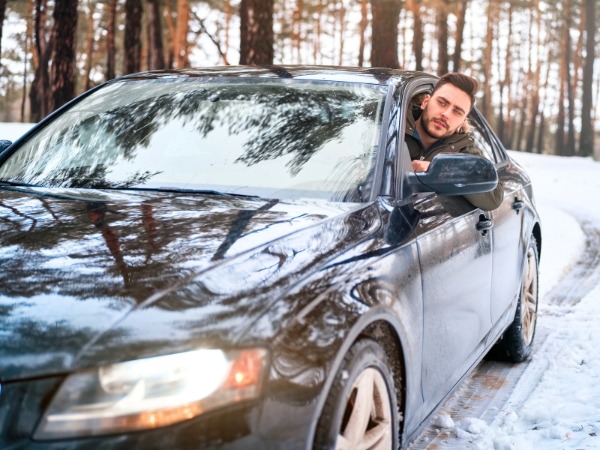
Even with a perfectly prepared car, the most important element is the driver’s approach. Driving on snow and ice demands a fundamental change in technique, prioritising slow, gentle, and controlled movements over the assertive style often seen in Istanbul traffic.
The primary principle of safe winter driving is to avoid any sudden movements that could instantly break the limited traction available. When accelerating, the car must be moved off gently. If the wheels begin to spin, ease off the accelerator and try starting in a higher gear, such as second gear, which reduces the amount of torque delivered to the wheels.
When braking, anticipate stops much earlier than usual. Apply the brakes lightly and gradually. Slamming on the brakes, even in a car equipped with Anti-lock Braking System (ABS), will almost certainly induce a skid. If the vehicle does start to slide, the driver must immediately ease off the pedals. Similarly, steering must be handled with slow, deliberate, and smooth movements. Sharp turns at even moderate speed can easily overwhelm the tyres' grip and send the vehicle into a spin.
The rules of following distance and speed require drastic revision in icy conditions. A car travelling on snow needs significantly more distance to stop than one on dry asphalt. Drivers should increase their following distance to between six and eight seconds—double the time recommended for dry roads. This gives crucial reaction time to account for unexpected slides from the vehicles ahead or suddenly changed traffic lights. Speed management must be conservative; never drive faster than is necessary for conditions. Even if the main roads appear clear, patches of black ice can be hidden, often on shaded parts of the road, demanding a perpetual reduction in speed.
Maintaining visibility is also critical. Before setting off, all snow and ice must be completely cleared from the windscreen, rear window, side windows, wing mirrors, and all lights. Crucially, snow must also be cleared from the roof of the vehicle. If a large amount of snow remains on the roof, it can slide forward onto the windscreen when the driver brakes, causing a complete and immediate loss of forward vision.
Istanbul’s notorious urban driving habits do not disappear in the snow, but they become exponentially more dangerous. Drivers should anticipate and react defensively to the city’s common challenges, such as vehicles double-parked even in snowy conditions, often leaving only a narrow lane for passage.
Drivers must also be patient and prepared for aggressive or impatient drivers who may attempt to overtake dangerously. Furthermore, be acutely aware of pedestrians and stray animals who might step into the road suddenly, especially when pavements are rendered impassable by snow or ice.
Specific sections of Istanbul’s transport network require extra caution due to their inherent susceptibility to freezing and their structural design.
The most effective safety tip is often the simplest: if the weather forecast predicts heavy snow or police advisories suggest limiting traffic, the safest choice is not to drive at all. Istanbul boasts an extensive public transport system, including the Metro, Marmaray, and Metrobüs, which often remain operational even when surface traffic has ground to a halt. Rescheduling a non-essential trip or opting for public transport is the most responsible choice during a major weather event
Navigation apps can be invaluable for finding alternative routes around snow-choked main roads. However, drivers must be cautious, as these apps may sometimes direct them onto narrow, steep, or un-cleared side streets where the risk of getting stuck or losing control is significantly higher. Use navigation as a guide, but always defer to the safest, most travelled, and best-cleared route available.
Due to their elevation, bridges, viaducts, and overpasses freeze much faster and earlier than ground-level roads. Cold air passes over and under the roadway, chilling the surface rapidly. Drivers must exercise extreme caution on the Bosphorus bridges and any major intersection flyovers, reducing speed well before reaching the structure and maintaining a steady, slow pace across the entire span.
Istanbul’s topography is dominated by hills, making driving on slopes a high-risk activity in the snow. When ascending a slope, aim to maintain a constant, slow speed to ensure continuous momentum. If the wheels begin to spin, momentarily ease off the throttle. Stopping and restarting on a steep, icy incline is extremely difficult and should be avoided if possible.
When descending a slope, never coast or rely solely on the brakes. Instead, shift the automatic or manual transmission into a low gear. This allows the engine’s resistance to slow the car down (engine braking), providing much safer and more controlled deceleration without the wheels locking up.
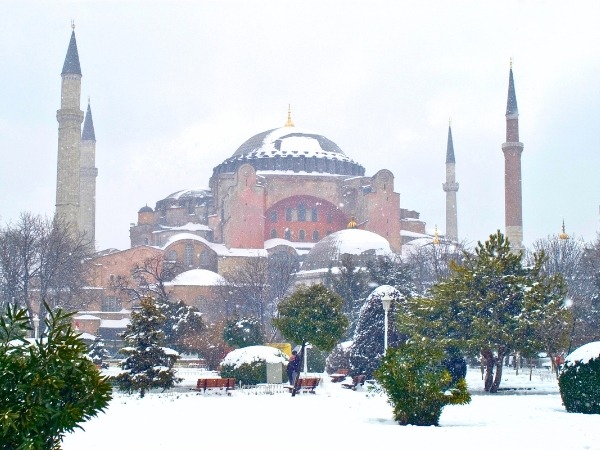
Knowing how to react when the vehicle loses control or when a breakdown occurs is essential to ensure the safety of all occupants and to avoid causing further traffic obstruction.
If the vehicle begins to skid, the immediate reaction must be to remain calm and avoid panicking. Do not slam on the brakes. If the car is skidding, lift the foot off the accelerator and, if possible, the brake. The universal rule for controlling a skid is to look and steer gently in the direction the rear of the car is sliding. For example, if the rear of the car slides out to the right, steer lightly to the right. This allows the wheels to regain traction, straightening the vehicle without overcorrecting, which could induce a skid in the opposite direction.
If the car becomes completely stuck or stranded in heavy snowfall, the primary objective is to stay safe and conserve resources. Stay in the vehicle unless a known, safe shelter is very close, as the car provides the best immediate protection. Run the engine and heater only for short intervals—about ten minutes every hour—to conserve petrol. Critically, ensure the exhaust pipe is completely clear of snow and ice before starting the engine to prevent deadly carbon monoxide gas from backing up into the vehicle cabin. To signal for help, tie a brightly coloured cloth to the antenna or a door handle.
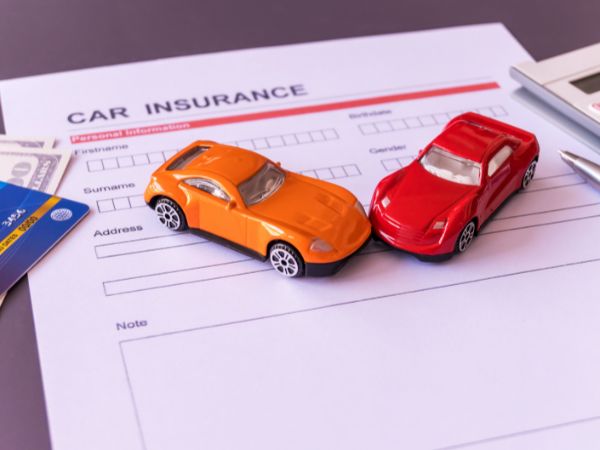
In the unfortunate event of an accident, activate the hazard warning lights immediately. In Turkey, the standard emergency number is 112 for all police, fire, and ambulance services. If the vehicle is still drivable and the damage is minor, move it safely to the hard shoulder or an emergency lane to prevent further accidents, but only if safe to do so. In the case of rental cars or any damage that may involve an insurance claim, do not move the vehicle until traffic police or relevant authorities arrive and instruct otherwise, unless the vehicle is posing a severe threat to human life. As required by law, set out the two warning triangles well in advance of the vehicle to alert approaching traffic.
Driving through a wintery Istanbul is an unforgettable experience that demands respect for the elements and adherence to responsible driving practices. By meticulously preparing the vehicle, ensuring all mandatory safety and winter equipment is present, and committing to the gentle, slow, and defensive driving techniques outlined in this guide, drivers can minimise risk significantly. Remember to maintain vast distances between vehicles, respect the freezing properties of bridges and overpasses, and be prepared to stay home when conditions are at their worst.
Ready to safely navigate the snow-dusted beauty of Istanbul? Book your car from Final Rentals today and secure all the necessary winter equipment. Your Turkish winter driving adventure awaits!